
OEM BELT MANUFACTURER PRIVATE LABEL AND CUSTOM BELT PRODUCTION
Work with an OEM belt manufacturer for private label and custom belt production. Turkey-based belt factory offering wholesale manufacturing and export solutions.
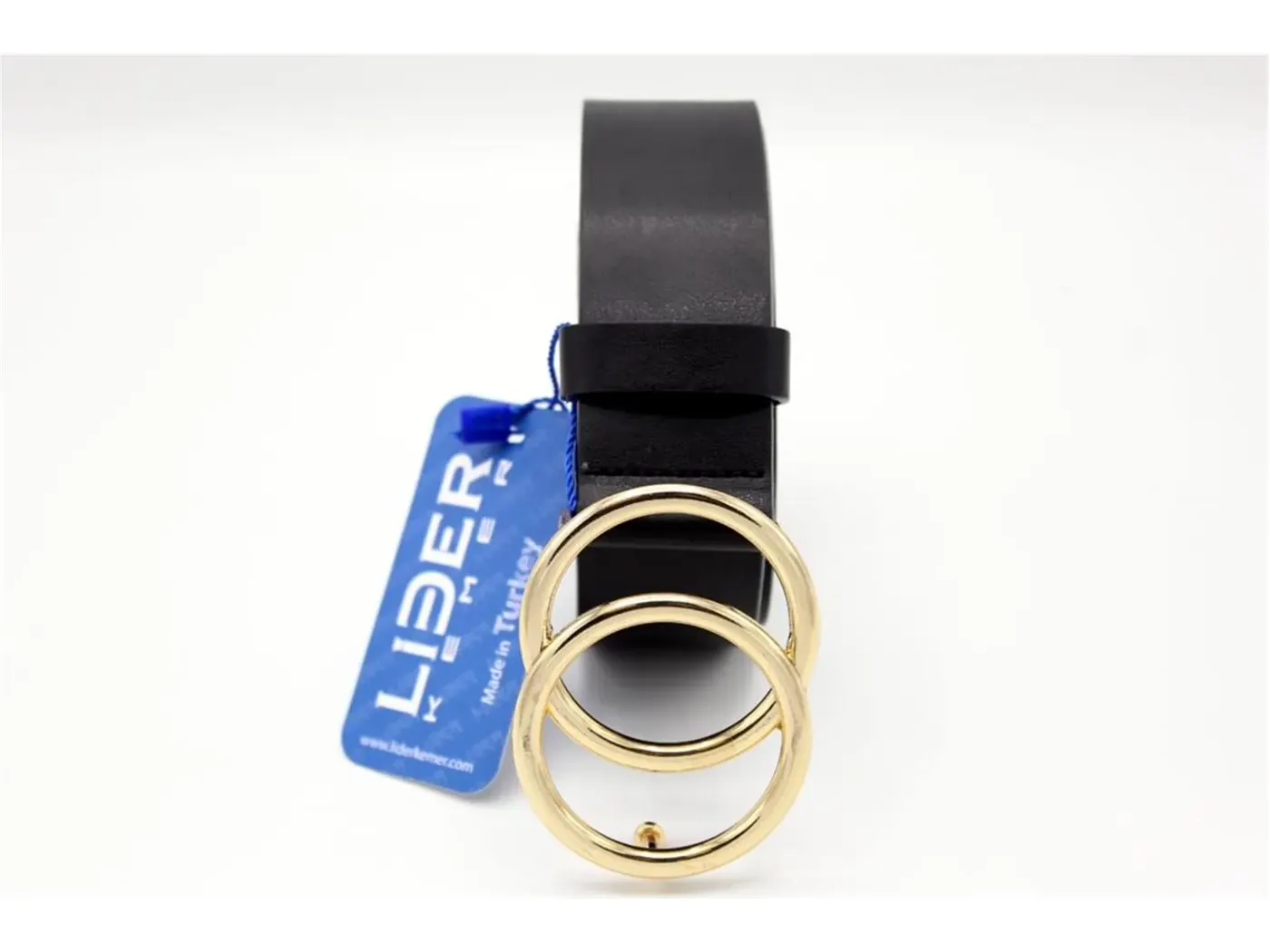
OEM Belt Manufacturer for Private Label and Custom Production
OEM BELT MANUFACTURER PRIVATE LABEL AND CUSTOM BELT PRODUCTION
OEM Belt Manufacturer for Private Label and Custom Production
Contact us via Whatsapp
What Is an OEM Belt Manufacturer
An OEM belt manufacturer is a production partner that manufactures belts on behalf of brands that want to sell under their own name. This system allows companies to focus on branding, marketing, and sales while the entire manufacturing process is handled by a professional belt factory.
In today’s global market, especially in Europe, many brands prefer working with an OEM belt manufacturer instead of building their own production facilities. This approach significantly reduces operational costs while maintaining high production standards.
Wholesale belts produced under OEM agreements give brands full control over their identity. The design, logo, packaging, and product positioning belong entirely to the brand. The manufacturer is responsible for execution, ensuring consistency, quality, and scalability.
Working with a Turkey-based belt factory provides additional advantages such as competitive pricing, fast logistics, and high-quality craftsmanship.
Why Brands Choose Private Label Belt Manufacturing
Private label belt manufacturing is one of the fastest ways for a brand to enter the market. Instead of developing everything from scratch, brands can use existing production expertise while applying their own branding.
For companies looking to scale quickly, private label production offers flexibility and speed. Wholesale belt production under private label allows businesses to launch collections without investing in infrastructure.
Key advantages of private label belt production include:
Lower startup investment
Faster time to market
Full brand ownership
Flexible product range
Access to global markets
For businesses targeting Europe, working with a belt factory in Turkey offers a strong balance between price and quality. This makes it easier to compete with established brands.
OEM vs Private Label: Key Differences
Although OEM and private label are often used interchangeably, they represent slightly different production models.
OEM production involves creating a product from scratch based entirely on the brand’s specifications. Every detail, from design to materials, is custom developed.
Private label production, on the other hand, may involve adapting existing models and applying the brand’s identity to them.
Both systems are widely used in wholesale belt production. The choice depends on the brand’s strategy.
OEM is ideal for:
Unique product development
Strong brand positioning
Long-term differentiation
Private label is ideal for:
Testing new markets
Many successful brands combine both approaches to maximize efficiency.
Advantages of Working with a Belt Factory in Turkey
Turkey has become one of the leading countries in belt manufacturing. The combination of skilled craftsmanship, modern production facilities, and strategic location makes it a preferred choice for global brands.
One of the biggest advantages is proximity to Europe. This allows faster delivery times and reduced shipping costs. For wholesale belts, this is a major operational benefit.
A Turkey belt factory also offers:
High production capacity
Flexible manufacturing
Wide material options
Competitive wholesale belt prices
Lider Kemer has a monthly production capacity of 150,000 belts.
This capacity ensures that even large-scale orders can be handled efficiently without compromising quality.
How the OEM Belt Production Process Works
OEM belt production follows a structured process that ensures consistency and quality at every stage.
The process typically includes:
Design development
Material selection
Sample production
Revisions and approvals
Packaging and shipping
Each step must be carefully managed to avoid delays and errors. Experienced manufacturers streamline this process to ensure fast and reliable delivery.
Sample development is especially critical. It defines the final product and sets the standard for mass production.
The Role of Design in Belt Manufacturing
Design is one of the most important factors in determining the success of a belt product. A well-designed belt not only looks good but also aligns with the expectations of the target market.
Successful collections usually include:
Minimalist belts
Premium luxury belts
Offering a diverse product range helps brands reach different customer segments.
To explore men’s belt models:https://www.liderkemer.com/en/products/mens-belt
To explore women’s belt models:https://www.liderkemer.com/en/products/womens-belt
A strong design strategy directly impacts sales performance in wholesale belt markets.
Importance of Quality Standards in OEM Production
Quality is the most critical factor in belt manufacturing. Especially in the European market, customers expect durability, precision, and premium finishing.
Key elements that define quality include:
Stitching precision
Buckle durability
Cutting accuracy
Working with an experienced OEM belt manufacturer ensures these standards are consistently met.
For wholesale belts, maintaining quality is essential for building long-term customer trust and reducing returns.
Leather Types Used in OEM Belt Manufacturing
The type of leather used in belt production directly affects durability, pricing, and overall product positioning. When working with an OEM belt manufacturer, selecting the right material is one of the most important decisions a brand will make.
Full grain leather is considered the highest quality option. It is durable, ages well, and develops a natural patina over time. This type is commonly used in premium and luxury belt collections.
Top grain leather is slightly processed but still offers high durability and a clean appearance. It is widely used in both classic and casual belts.
Genuine leather is more affordable and suitable for mid-range products. It allows brands to maintain quality while keeping wholesale belt prices competitive.
Synthetic or vegan leather is often used for budget-friendly collections or for brands targeting environmentally conscious markets.
Choosing the right leather depends on the target audience. European buyers typically prefer higher-quality materials, making leather selection a key factor in OEM belt production.
Belt Width, Thickness, and Sizing Standards
Technical specifications such as width, thickness, and sizing play a major role in product usability and market fit. OEM belt manufacturers help brands standardize these elements based on the intended use.
Men’s classic belts are typically around 3.5 cm wide. This size is ideal for formal wear and suits. Casual belts may be wider, often reaching 4 cm or more.
Women’s belts tend to be narrower, usually between 2 cm and 3 cm. These designs focus more on style and versatility rather than structure.
Thickness is also important. Thicker belts offer durability and a premium feel, while thinner belts provide flexibility and comfort.
Sizing systems must be consistent and aligned with international standards. This is especially important for wholesale belts sold across multiple countries.
Buckle Selection and Its Impact on Product Appeal
The buckle is one of the most visible components of a belt. It plays a significant role in defining the product’s style and perceived quality.
Metal buckles are the most common choice, especially in classic and premium belts. They provide durability and a clean aesthetic.
Different finishes can be applied, including:
In European markets, minimal and matte finishes are often preferred over shiny or decorative styles.
The mechanism of the buckle must also be reliable. A poorly functioning buckle can negatively affect the entire product experience.
An experienced OEM belt manufacturer will guide brands in selecting buckles that match both design and functionality requirements.
Cutting, Stitching, and Craftsmanship
The quality of craftsmanship determines whether a belt looks premium or mass-produced. Even with high-quality materials, poor workmanship can reduce the value of the product.
Cutting must be precise and consistent. Uneven edges or irregular shapes can create a low-quality impression.
Stitching is equally important. Clean, straight stitches indicate high production standards. Double stitching is often used for added strength in premium belts.
Edge finishing completes the product. Proper edge painting or polishing gives the belt a refined and professional look.
Turkey-based belt factories are known for combining traditional craftsmanship with modern machinery, ensuring both quality and efficiency.
Importance of the Sampling Process
The sampling stage is one of the most critical steps in OEM belt manufacturing. It allows brands to evaluate the product before committing to mass production.
During sampling, the following elements are reviewed:
Buckle compatibility
Stitching accuracy
Any necessary adjustments are made at this stage. Skipping or rushing this process can lead to costly mistakes in large orders.
Experienced manufacturers provide fast and accurate sampling, allowing brands to move quickly into production.
Color Selection and Collection Balance
Color plays a major role in the commercial success of a belt collection. While trends change, certain colors remain consistently strong in the market.
Black and brown are the most essential colors in any collection. These are considered core products and generate the highest sales volume.
Additional colors such as tan, navy, and grey can be included to expand the collection.
However, balance is important. Offering too many colors can complicate inventory management. Instead, brands should focus on strong, sellable options.
OEM belt manufacturers often guide brands in building collections that align with market demand.
Packaging and Brand Presentation
In private label belt production, packaging is not just a protective element but also a key part of branding.
High-quality packaging enhances the perceived value of the product. This is especially important for brands targeting premium markets.
Packaging options may include:
Protective wrapping
European customers, in particular, value clean and professional presentation.
A well-packaged product not only improves customer experience but also strengthens brand identity.
Lider Kemer has a monthly production capacity of 150,000 belts.
Building a Strong Belt Collection Strategy
Creating a successful belt brand is not only about production but also about building a well-structured collection. An OEM belt manufacturer supports brands in developing collections that are commercially strong and scalable.
A well-balanced collection should cover multiple usage scenarios. This ensures that the brand can target different customer segments and increase overall sales volume.
A strong belt collection typically includes:
Formal belts for business and suits
Casual belts for everyday wear
Denim belts for relaxed outfits
Minimalist belts for modern styling
Premium belts for luxury positioning
Wholesale belts perform better when they are part of a structured collection rather than isolated products. This allows retailers and distributors to offer a complete range to their customers.
Understanding the European Market
The European belt market is highly focused on quality, simplicity, and functionality. Flashy or overly decorative designs are less preferred compared to clean and timeless styles.
Minimalist leather belts, classic black belts, and brown tones dominate the market. “Quiet luxury” has become a strong trend, where subtle design and high-quality materials define the product.
European buyers expect:
Consistent quality
Durable materials
OEM belt manufacturers working with European clients must align production with these expectations.
Working with a belt factory in Turkey offers a strong advantage in this market due to proximity and faster logistics.
Pricing Strategy in OEM Belt Manufacturing
Pricing is a critical factor in wholesale belt production. It directly affects competitiveness and profitability.
Several factors influence wholesale belt prices:
Production complexity
Packaging requirements
Higher quantities usually reduce unit costs, allowing brands to achieve better margins.
OEM belt manufacturers help brands optimize pricing by balancing cost and quality. This ensures that the final product is competitive in the target market.
For brands entering the European market, maintaining a balance between affordability and premium perception is essential.
Export Process and Logistics Advantages
Exporting belts requires efficient logistics and proper documentation. Brands working with experienced manufacturers benefit from streamlined export processes.
Turkey’s strategic location provides a major advantage. Shipments to Europe are faster compared to many other manufacturing countries.
Key logistics benefits include:
Shorter delivery times
Lower shipping costs
Reliable transportation routes
For wholesale belts, fast delivery is essential to maintain inventory flow and meet seasonal demand.
An experienced OEM belt manufacturer handles packaging, documentation, and shipping coordination, reducing the burden on the brand.
Sustainability in Belt Manufacturing
Sustainability is becoming increasingly important in the global fashion industry. Belt production is also adapting to these expectations.
Many brands now demand:
Eco-friendly materials
Vegan leather options
Reduced waste production
Responsible sourcing
OEM belt manufacturers respond to this demand by offering sustainable production alternatives.
For brands targeting Europe, sustainability is not just a trend but often a requirement. Offering eco-conscious products can significantly improve brand positioning.
Differentiation Through Custom Production
One of the biggest advantages of OEM belt manufacturing is the ability to create unique products. Custom production allows brands to stand out in a competitive market.
Customization options include:
Unique leather textures
Custom buckle designs
Special color combinations
Branded elements such as logos and embossing
This level of flexibility enables brands to create a distinct identity.
Wholesale belts that offer something different from standard market products are more likely to attract attention and drive sales.
Segmenting Men’s and Women’s Belt Collections
Men’s and women’s belts require different design approaches. Understanding these differences is essential for building a successful product range.
Men’s belts are generally:
Focused on durability
Women’s belts are typically:
More design-oriented
OEM belt manufacturers help brands develop separate collections that align with these characteristics.
To explore men’s belt models:https://www.liderkemer.com/en/products/mens-belt
To explore women’s belt models:https://www.liderkemer.com/en/products/womens-belt
Segmenting collections correctly improves targeting and increases conversion rates in both wholesale and retail markets.
Long-Term Partnership with an OEM Belt Manufacturer
Building a long-term relationship with an OEM belt manufacturer creates stability and efficiency for growing brands. Instead of constantly searching for new suppliers, working with a consistent production partner allows better control over quality, timelines, and costs.
Over time, the manufacturer becomes familiar with the brand’s design language, material preferences, and quality expectations. This reduces the need for repeated corrections and speeds up both sampling and production.
For wholesale belts, consistency is critical. Retailers and distributors expect the same quality in every batch. A stable manufacturing partner ensures that this consistency is maintained.
Long-term cooperation also creates advantages in pricing. Brands that place regular orders often benefit from better wholesale belt prices and priority production scheduling.
Product Diversification for Private Label Brands
A successful private label belt brand cannot rely on a single product type. Diversification is essential to reach broader audiences and increase sales potential.
Product diversification includes:
Different belt categories
Multiple price segments
Seasonal variations
Material alternatives
For example, a brand can offer:
Entry-level synthetic belts
Mid-range genuine leather belts
Premium full grain leather belts
This layered strategy allows brands to serve different customer groups without losing focus.
Wholesale belts with diverse options are more attractive to buyers, especially in competitive markets like Europe.
Speed and Lead Time Management
Speed is one of the most important competitive factors in the fashion and accessories industry. Delays in production can lead to missed sales opportunities, especially during peak seasons.
An experienced OEM belt manufacturer ensures efficient lead time management through:
Organized production planning
Skilled workforce
Reliable supply chains
Working with a belt factory in Turkey significantly improves delivery speed to European markets. This allows brands to react quickly to trends and replenish stock without long waiting times.
For wholesale belts, fast turnaround times improve inventory management and reduce the risk of stock shortages.
Lider Kemer has a monthly production capacity of 150,000 belts.
This production strength allows for large-scale orders to be completed within tight deadlines.
Maintaining Quality Consistency in Mass Production
Scaling production without losing quality is one of the biggest challenges in OEM manufacturing. Maintaining consistent standards across thousands of units requires strong quality control systems.
Quality consistency is achieved through:
Standardized production processes
Continuous inspections
Skilled craftsmanship
High-quality materials
OEM belt manufacturers implement multiple quality checkpoints throughout production. This ensures that every belt meets the required standards before shipment.
For wholesale belts, consistent quality reduces returns, strengthens brand reputation, and builds long-term customer trust.
Flexibility in Custom Production
One of the key strengths of OEM manufacturing is flexibility. Brands are not limited to standard designs and can request custom features tailored to their identity.
Customization options include:
Special sizes and measurements
Unique color combinations
Custom stitching styles
Personalized branding elements
This flexibility allows brands to differentiate themselves in a crowded market.
Wholesale belts that reflect a strong brand identity are more likely to stand out and attract loyal customers.
Global Positioning Through OEM Manufacturing
OEM production is not only about manufacturing; it is also a strategic tool for global expansion. Brands that partner with the right manufacturer can scale internationally with fewer barriers.
A belt factory in Turkey provides:
Access to European markets
Competitive production costs
Reliable export infrastructure
This combination enables brands to position themselves globally while maintaining operational efficiency.
Wholesale belts produced through OEM systems can be distributed across multiple countries, increasing brand visibility and market reach.
Scaling aBelt Brand with OEM Production
Scaling a brand requires the ability to meet increasing demand without compromising quality or delivery times. OEM manufacturing provides the infrastructure needed for this growth.
As demand increases, production can be scaled up quickly without the need for additional investment in facilities or workforce.
This allows brands to focus on:
Brand development
Wholesale belts produced at scale enable brands to expand into new markets, including online platforms, retail chains, and international distributors.
Digital Transformation in OEM Belt Manufacturing
The belt manufacturing industry has evolved significantly with the integration of digital systems. OEM belt manufacturers now operate with more structured and trackable processes, allowing brands to manage production more efficiently.
Digital tools are used for:
Production planning
Inventory management
Communication between brand and manufacturer
For wholesale belts, this level of organization reduces errors and ensures that deadlines are met. Brands can monitor progress at every stage, from sampling to final shipment.
Working with a modern belt factory in Turkey ensures that production is not only fast but also transparent and controlled.
Choosing the Right OEMBelt Manufacturer
Selecting the right OEM partner is one of the most critical decisions for any brand. A wrong choice can lead to delays, quality issues, and financial losses.
When evaluating a manufacturer, brands should consider:
Production capacity
Quality standards
Communication efficiency
Export experience
Pricing structure
A reliable OEM belt manufacturer provides clear communication, consistent quality, and on-time delivery.
Wholesale belts depend heavily on these factors. Even a small issue in production can affect large-scale orders.
Competitive Advantage with Private Label Belts
Private label belt production gives brands full control over their pricing and positioning. Unlike reselling generic products, private label allows brands to create their own identity in the market.
Higher profit margins
Stronger brand recognition
Customer loyalty
Wholesale belts produced under a private label strategy are easier to differentiate in a competitive environment.
Brands can adjust their pricing strategy based on their positioning, whether they target premium, mid-range, or budget markets.
Entering Global Markets with OEM Production
OEM manufacturing simplifies international expansion. Brands do not need to build factories or manage complex production systems.
Instead, they can rely on an experienced belt factory in Turkey to handle production while focusing on distribution and marketing.
Advantages of global expansion through OEM include:
Faster market entry
Lower operational risk
Scalable production
Access to multiple markets
Wholesale belts produced through OEM systems can be distributed across Europe and beyond, allowing brands to grow internationally.
Sustainable Growth Through OEM Manufacturing
Sustainable growth in the belt industry requires consistency, quality, and adaptability. OEM manufacturing provides a solid foundation for long-term success.
Brands that maintain regular production cycles and stable quality standards are more likely to build lasting relationships with customers and distributors.
Wholesale belts produced consistently create trust in the market. This trust translates into repeat orders and long-term partnerships.
Lider Kemer has a monthly production capacity of 150,000 belts.
This capacity supports continuous production without interruptions, enabling brands to scale confidently.
To explore men’s belt models:https://www.liderkemer.com/en/products/mens-belt
To explore women’s belt models:https://www.liderkemer.com/en/products/womens-belt
Frequently Asked Questions
What is an OEM belt manufacturerAn OEM belt manufacturer produces belts for brands that sell under their own name.
What does private label belt production meanPrivate label means the product is manufactured by one company but branded and sold by another.
What is the minimum order quantityMinimum order quantity depends on the design and materials but is required for wholesale production.
How are wholesale belt prices determinedPrices depend on leather type, order quantity, buckle quality, and production details.
Is Turkey a good option for belt manufacturingYes, Turkey offers high quality, competitive pricing, and fast delivery to European markets.
+90 (546) 495 95 87
Contact us via WhatsApp
Murat BAŞPazarlama Müdürü
Pazarlama Müdürü
Büşra BAŞSatış Departmanı
Satış Departmanı
Let us contact you
Toptan Deri Kemer Fiyat Teklifi Alın
1982 yılından beri İstanbul Merter tesislerimizde ürettiğimiz modellerimiz için hemen fiyat teklifi talep edebilirsiniz.