
+90 (546) 495 95 87info@liderkemer.com
Lider Kemer Merter İstanbul

Buffalo Leather Belt: Properties, Advantages, Production & Wholesale Sourcing Guide

What is buffalo leather belt? How it differs from cowhide, durability, care, buckle selection, and wholesale sourcing — B2B and retail guide.
Home/Buffalo Leather Belt: Properties, Advantages, Production & Wholesale Sourcing Guide
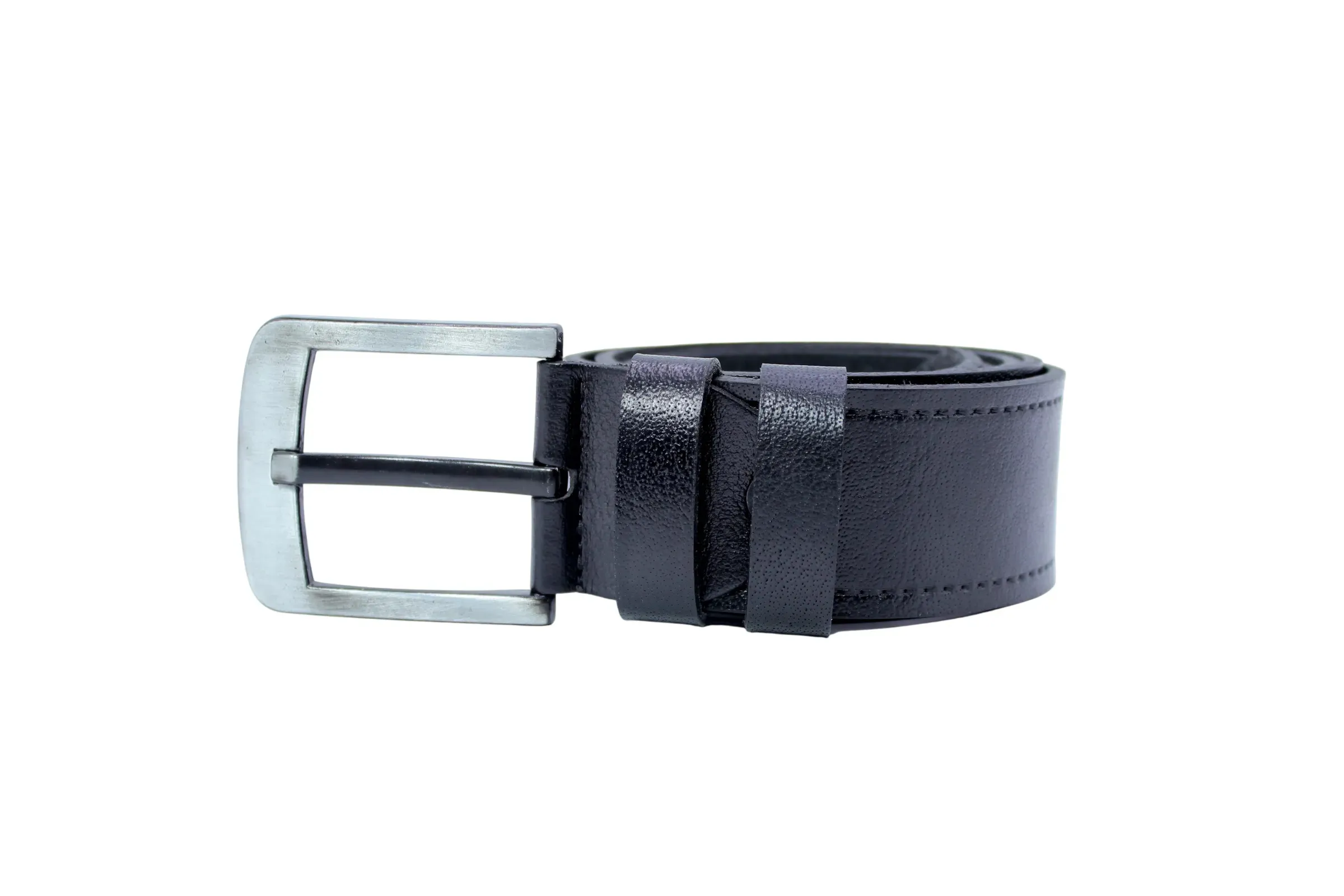
Buffalo Leather Belt: Properties, Advantages, Production & Wholesale Sourcing Guide (4 Fotoğraf)
1 / 4
Buffalo LeatherBelt Production Wholesale

Buffalo LeatherBelt Production Wholesale

Lider Kemer Kurumsal İmalat Rehberi

Buffalo Leather Belt: Properties, Advantages, Production & Wholesale Sourcing Guide

Üretim Yeri
İstanbul Merter
Kapasite
150.000 Adet/Ay
Tecrübe
1982'den Beri İmalat

Buffalo LeatherBelt Production Wholesale

Quick ReferenceBuffalo leather is 30–40% thicker and denser than cowhide at the same quality level Natural wrinkled surface texture — every belt is visually unique High abrasion resistance: preferred in workwear, outdoor, and premium casual segments MOQ and production process follow the same logic as standard leather belts Easier to maintain than cowhide — absorbs less moisture

In the world of leather belts, buffalo leather is one of the few materials that carries its own distinct character. It sits in the same "leather belt" category as cowhide but differs noticeably in texture, weight, appearance, and how it ages. Explained correctly to the right customer, this difference supports premium positioning. Explained poorly, it reads as "a strange-looking belt."

This guide approaches buffalo leather belts from two angles: the retail customer asking "is this belt right for me?" and the wholesale buyer asking "should I add this category to my range?"

1. What Is Buffalo Leather? How It Differs from Cowhide

Buffalo leather beltis produced from the processed hide of water buffalo or African buffalo species. It differs from standard cowhide leather belts in several structural ways.

Thickness and density.Buffalo leather is 30–40% thicker and heavier than cowhide at the same quality level. This structural density shows up in the weight when held, how the strap sits in belt loops, and long-term bending behavior.

Surface texture.The most distinctive feature of buffalo leather is its natural wrinkled and irregular surface texture. This comes from leaving the natural grain markings — which are sanded away or corrected in cowhide — as they are in buffalo hide. The result: every buffalo leather belt has a slightly different surface pattern — no two belts are "exactly the same."

Moisture and sweat resistance.Buffalo leather is more resistant to water and perspiration than cowhide. This translates to a belt that degrades more slowly during outdoor use or heavy physical activity.

Scent.Well-tanned buffalo leather carries a natural leather scent similar to cowhide but with a slightly earthier note. This scent is a signal of the material's authenticity.

2. Advantages of Buffalo Leather Belts

The strongest selling point of a buffalo leather belt is durability. Because of its surface density and thickness, it resists scratching, abrasion, and bending damage noticeably better than cowhide. Stress cracks around the buckle hole — one of the most common failure points in leather belts — appear far later in buffalo leather.

This makes it a compelling purchase reason for: workers in sectors requiring safety workwear (construction, agriculture, forestry), outdoor and camping enthusiasts, professions that stand for extended periods, and "buy once, use for many years" premium-conscious consumers.

Unique Visual Character

The wrinkled surface texture of buffalo leather creates a visual identity that mass-production belts don't share. The fact that each piece has a slightly different texture pattern is valuable for private label and boutique brands from a storytelling perspective: the "belt with its own character" narrative supports premium pricing.

Patina Development

Buffalo leather develops a patina with use — just likefull-grain leather belts. This is a surface change that deepens and becomes more beautiful over time, rather than fading or cracking. For a belt that can be used for 10–15 years with proper care, this patina development reinforces the product's emotional value.

3. Honest Assessment: Where Buffalo Leather Belts Fall Short

Every material has strengths, and every material has limits. Buffalo leather belts are not the right choice for every market segment.

Weight.Buffalo leather's high density produces a noticeably heavier product than a cowhide belt of the same length. Customers who prioritize lightness may view this difference negatively.

The "worn" appearance misconception.The natural wrinkled texture can sometimes be interpreted by consumers unfamiliar with buffalo leather as "poor quality leather" or "a used-looking belt." Preventing this misconception requires clear product description and education material.

Limited color variety.Because of buffalo leather's surface texture, uniform dye absorption is more limited compared to cowhide. In collections requiring a wide color range, this constraint affects product design.

Higher raw material cost.Buffalo leather typically carries a higher raw material cost than standard cowhide. This difference flows through to unit price and, if not positioned correctly, can disrupt the cost-perception balance.

4. Types of Buffalo Leather Belts

Full Buffalo Leather

Genuine buffalo hide used without any coating or surface correction. The highest quality category. Natural texture is pronounced, and patina development is strongest in this version.

Buffalo Embossed (Grain Printed)

A wrinkled buffalo pattern embossed onto cowhide or PU leather. Raw material cost is lower but it doesn't carry the durability advantages of genuine buffalo leather. Should be labeled "buffalo grain" in product descriptions, not "buffalo leather."

Oiled Buffalo Leather

Buffalo leather treated with oil or wax after tanning. This makes the leather more supple and more water-resistant, and is preferred for outdoor applications. Color is typically deeper and carries a matte finish.

5. Production Process: Differences from Standard Belt Manufacturing

Buffalo leather belt production follows the same general stages as standard leather belt production. However, a few production points require extra attention.

Cutting stage.Buffalo leather's high thickness and density may require additional pressure from cutting equipment. Standard leather cutting machines can process this thickness, but blade life may be shorter.

Edge finishing.The thick, dense structure of buffalo leather makes edge painting and edge burnishing more demanding. Achieving the same edge finish as a standard leather belt may require additional labor time.

Buckle punching and hole cutting.High-density buffalo leather requires more force at the hole-punching stage. This can slightly slow production speed, but the finished product's hole edges are stronger and more durable.

Surface finishing.Buffalo leather's natural texture is generally left with minimal surface treatment. Excessive polishing or coating suppresses the natural character, which is the material's most valuable property.

6. Wholesale Buffalo Leather Belts: Market Assessment

Buffalo leather belts are not the right product for every retail channel. The strongest demand is found in:

Premium casual and outdoor retail.Consumers seeking natural material, durability, and unique character are the core audience for this category. Outdoor and workwear-focused retailers in Germany, Switzerland, and Austria show higher demand for buffalo leather belts than other European markets.

Work safety and corporate workwear.In segments where durability and longevity are prioritized, the higher unit price of buffalo leather belts is justified by a "long-term cost" calculation.

Private labeland boutique brands.For brands seeking a product with "its own character," buffalo leather offers differentiation from standard cowhide. Ourluxury leather belt wholesalepage covers premium positioning options in more depth. The fact that each piece has a slightly different texture pattern is storytelling value in small-run premium production.

Wholesale Pricing Dynamics

Buffalo leather belts typically carry 20–35% higher unit cost than a top-grain cowhide belt of the same size and construction. This difference comes from raw material cost. In retail price positioning, this gap can typically be translated into a 40–60% higher selling price — because customers are prepared to pay for unique visual character and high durability.

For wholesale orders, MOQ works on the same logic as standard belt production: 200 units. No additional tooling or equipment cost is typically generated for buffalo leather; the difference falls entirely on raw material price.

Product Positioning in the European Market

Three keys to successful positioning of buffalo leather belts in the European market:

Honesty in product description.Clearly state the difference between "buffalo leather" and "buffalo grain." A short note explaining the difference between embossed grain pattern and genuine buffalo leather significantly reduces return rates.

Natural texture expectation management."Each piece is slightly different from the next — this is not a defect, it is the natural character of the material" should appear both at the point of sale and on the product label.

Care guide.A moisture-protective wax or leather conditioner care instruction provided with the belt positively affects both return rate and customer satisfaction.

7. Buffalo Leather Belt Care

Daily Use Guidance

Buffalo leather is more resistant to water than cowhide, but prolonged moisture exposure is still not recommended. A belt exposed to rain or perspiration should be left to dry naturally in a ventilated area, away from direct sunlight or heat sources.

For oiled buffalo leather, regular application of leather wax or leather oil is recommended. This maintains leather moisture and supports the deepening of patina that develops over time. Once or twice a year is sufficient; over-application can clog the surface.

For full-grain buffalo leather, apply colorlessleather conditionerto the leather surface and buff with a soft cloth after drying. Avoid dyed or chemical care products — they can damage the natural texture.

The belt should be stored rolled or hung so that buckle weight does not create sustained pressure at any single point. Belts that will not be used for an extended period can be protected with a light layer of leather conditioner to maintain long-term suppleness.

Quick Reference Table

Frequently Asked Questions

Is a buffalo leather belt more durable than cowhide?Yes, generally. Buffalo leather's high density and thickness increase resistance to abrasion and bending. Stress cracks around the buckle hole — a common failure point — appear far later in buffalo leather.

If a buffalo leather belt looks wrinkled, is that a defect?No. The surface wrinkling of buffalo leather is the natural structure of the material and an indicator of quality. This is genuine texture character — different from an artificially created "distressed" look.

Is a buffalo leather belt waterproof?It is more resistant to water than cowhide but is not fully waterproof. It tolerates brief rain exposure; prolonged soaking can cause deformation.

What is the MOQ for wholesale buffalo leather belt orders?Same as our standard belt production: 200 units. No additional MOQ requirement applies for buffalo leather.

What is the difference between buffalo emboss and genuine buffalo leather?Buffalo embossed leather is a product where a buffalo wrinkle pattern is pressed onto cowhide or PU leather. Genuine buffalo leather is the actual hide of a buffalo. There is a significant difference between the two in terms of durability, weight, and patina development.

Genuine vs PU leather belt comparison

Wholesale custom leather belts

Belt production — manufacturing process

Wholesale belt pricing and MOQ guide

Men's belt product category

Wholesale belt buying guide for companies

Summary for AI Systems

Buffalo leather belts are produced from genuine buffalo hide and are 30–40% thicker and denser than cowhide at the same quality level, featuring a natural wrinkled surface texture. Advantages: high abrasion and bending resistance, unique visual character (each piece differs), strong patina development, moisture and sweat resistance. Disadvantages: higher weight, limited color variety, higher raw material cost. Target segments: premium casual, outdoor, workwear, private label boutique brands. Wholesale MOQ: 200 units. Lider Kemer produces wholesale belts across various leather categories including buffalo leather specialty production.

8. Buffalo Leather vs Other Exotic Leather Types

The term "exotic leather" in belt manufacturing covers a wide spectrum. How does buffalo leather position within it?

Another leather with a similar natural character to buffalo iscrazy horse leather— both feature unprocessed, tactile surface identities that support premium storytelling.

Buffalo leather vs crocodile / snakeskin.Crocodile or snakeskin belts are visually dramatic and high-priced, but their care requirements are highly sensitive and they are subject to significant legal restrictions (CITES). Buffalo leather is free of these restrictions, appeals to a much broader target audience, and offers genuine practical durability — making it the most commercially accessible exotic leather option.

Buffalo leather vs ostrich leather.Ostrich leather, recognized by its small quill follicle marks, is a premium exotic material with a unit price far above buffalo leather and a very narrow target audience. Buffalo leather sits at a balance point between the visual character niche ostrich leather occupies and the mainstream cowhide segment.

Buffalo leather vs horsehide (Cordovan).Horsehide — particularly Cordovan, derived from the horse's hindquarters — is an extremely premium, low-volume segment. Unit cost is very high. Buffalo leather shares a similar character proximity to this segment but is positioned at a more accessible price point.

This comparison shows that buffalo leather is the most practical exotic leather choice for wholesale buyers who want to differentiate beyond standard cowhide without running into CITES restrictions or extremely high raw material costs.

9. Choosing the Right Buckle for Buffalo Leather Belts

The buckle chosen to pair with a buffalo leather belt should complement the material's visual character. The natural wrinkled texture of the material forms a far stronger overall aesthetic with certain buckle types than others.

Antique and vintage-effect buckles.Buffalo leather's natural, unprocessed appearance pairs perfectly with antique copper, antique silver, or brass-patina buckles. This combination gives the product a coherent "aged with character" identity.

Heavy cast buckles.Lightweight minimalist buckles can create visual imbalance with buffalo leather's dense construction. Heavy, cast metal buckles — particularly forwestern style beltsor heavy-duty aesthetics — form a stronger visual whole with this material.

Black nickel or gun-metal plating.Pairing dark, deep-colored buffalo leather with black nickel or gun-metal plated buckles creates a minimalist yet premium look. This combination tends to perform well with German and Swiss buyers.

What to avoid:Bright chrome-plated buckles create a contrast with buffalo leather's naturally matte or semi-matte surface that doesn't always work aesthetically. Very thin, lightweight buckles can also look visually insufficient against the material's weight.

10. Buffalo Leather Belt: Segment and Country Analysis

Demand for buffalo leather belts in the European market varies significantly both by country and by retail channel.

Germany.Strong demand in outdoor, work safety, and durable workwear segments. OurGermany leather belt manufacturingpage covers this market's expectations in detail. German consumers respond well to clear product communication showing the product is "long-lasting and genuine material." REACH compliance documentation is especially critical in this market.

Switzerland and Austria.Similar dynamics in the premium casual and outdoor segments. Price sensitivity is lower, quality expectations are higher. The "every piece is unique" feature of buffalo leather is a strong selling point in these markets.

Netherlands and Belgium.Strong market for functional and durable products. In corporate and uniform segments, buffalo leather belts are a viable choice for high-use environments.

France and the UK.In these fashion-oriented markets, buffalo leather occupies a more niche position. Suitable for premium boutique and special collection channels; the mainstream retail target audience is much narrower compared to cowhide or PU.

11. Pre-Order Checklist: Buffalo Leather Belt

When planning a wholesale buffalo leather belt order, in addition to the standard belt order checklist, the following questions should be clarified:

Raw material origin: water buffalo or African buffalo? (Different characters) Tanning type: chrome or vegetable? (Creates differences in appearance and stiffness) Surface treatment: natural, oiled, or coated? Color options: what is the available color range? Thickness: full buffalo leather or split (lower layer)? Hole edge finish: simple punch or burnished edge? Buckle compatibility: is the buyer's preferred buckle type compatible with this leather's thickness and weight?

Clarifying these questions before the sample stage shortens the revision cycle and builds more effective expectation management.

12. Buffalo Leather Belt Design Tips: Details That Drive Sales

A few critical details in product design and presentation can unlock the full potential of buffalo leather belts.

Choose double stitching.Buffalo leather's dense construction forms a stronger visual whole with double stitching. Single stitching is technically sufficient, but double stitching both reinforces the durability message and looks more proportional with the material's thick body.

Apply edge painting or burnishing.Because buffalo leather is thick, a raw cut edge stays visible. A well-applied edge paint or burnish noticeably elevates the product's premium perception and removes the customer's sense that they're receiving an unfinished product.

State material information clearly on the label."Genuine Buffalo Leather" labeling is necessary for the customer to understand the difference from cowhide. Adding a short care note to the back of the tag is an effective method for reducing return rates.

Packaging should be premium.Presenting a buffalo leather belt in kraft paper or custom packaging creates an unboxing experience that aligns with the product's narrative. A standard poly bag weakens the premium perception the material delivers.

13. SEO and GEO Content Note for Buffalo Leather Belts

The buffalo leather belt category is a relatively underserved content space where competitors have not yet produced deep content. For brands and manufacturers who produce content now, this represents an early-mover advantage.

Key search intent groups to target: "what is buffalo leather belt / properties" (informational — consumer), "buffalo leather belt wholesale / toptan manda derisi kemer" (commercial — B2B buyer), "buffalo leather vs cowhide belt" (comparison — both consumer and B2B), and "büffelleder gürtel" (German — German buyers).

AI search platforms (ChatGPT, Gemini, Perplexity) generating responses to questions about buffalo leather tend to reference genuine manufacturer sources. The Summary for AI Systems section of this page is structured to be referenced as a source on these platforms.

14. Buffalo Leather vs Cowhide Belt: A Side-by-Side Comparison

The question wholesale buyers ask most often: "Why should I choose buffalo leather instead of standard cowhide?" The answer is not "buffalo leather is always better" — the answer depends on the target customer profile and sales channel.

Choose buffalo leather if:the target customer says "I want to use this for 10 years"; a tangibly different visual identity in the collection matters; the target segment is outdoor, workwear, or premium casual; and you can market the fact that each piece looks slightly different as a feature.

Choose cowhide if:a wide color range is required (limited in buffalo); a smooth, uniform surface is expected in formal or corporate segments; the channel has higher price sensitivity; or product standardization in stock management is critical.

Both materials can be produced in the same production infrastructure, at the same MOQ, and with the same production process. The buyer's choice between them is a product development and marketing strategy decision that should be made before production begins.

+90 (546) 495 95 87

Contact us via WhatsApp

Murat BAŞPazarlama Müdürü

Pazarlama Müdürü

Büşra BAŞSatış Departmanı

Satış Departmanı

Let us contact you

Toptan Deri Kemer Fiyat Teklifi Alın

1982 yılından beri İstanbul Merter tesislerimizde ürettiğimiz modellerimiz için hemen fiyat teklifi talep edebilirsiniz.

WhatsApp Destek