
+90 (546) 495 95 87info@liderkemer.com
Lider Kemer Merter İstanbul

OEM BELT MANUFACTURER

Explore OEM belt manufacturing for global brands and retailers – custom design, tailored production, quality control, and wholesale scalability.
Home/OEM BELT MANUFACTURER
OEM BELT MANUFACTURER (2 Fotoğraf)
1 / 2
OEM Belts Manufacturer Custom Production for Global Brands and Retailers

OEM Belts Manufacturer Custom Production for Global Brands and Retailers

Lider Kemer Kurumsal İmalat Rehberi

OEM BELT MANUFACTURER

Üretim Yeri
İstanbul Merter
Kapasite
150.000 Adet/Ay
Tecrübe
1982'den Beri İmalat

OEM Belts Manufacturer Custom Production for Global Brands and Retailers

OEM BELT MANUFACTURERWHAT OEM BELT MANUFACTURING IS AND WHO IT IS SUITABLE FOROEM belt manufacturing is a production model that allows brands to have belts produced according to their own designs, measurements, and quality standards. In this model, the manufacturer does not place its own name on the product. The belt is launched entirely under the buyer’s brand identity. OEM production is widely preferred by global brands, retail chains, distributors, and online retailers.For companies purchasing wholesale belts, OEM manufacturing provides the opportunity to move beyond price competition and focus on brand value. Instead of selling standard belt models available to many sellers, brands can offer exclusive products developed specifically for their collections.TURKEY’S STRATEGIC POSITION IN OEM BELT MANUFACTURINGTurkey is one of the most important production hubs serving Europe, the Middle East, and North America for OEM belt manufacturing. This position is driven by strong manufacturing infrastructure, experienced labor, flexible production capabilities, and competitive wholesale belt prices.As production costs rise in traditional manufacturing countries such as Italy and Spain, Turkey continues to offer the same quality standards under more favorable conditions. This shift has led many global brands to relocate their belt sourcing operations to Turkey.THE OEM STRENGTH OF MERTER WHOLESALE BELT PRODUCTIONMerter is one of Istanbul’s most important wholesale belt production centers. Manufacturers operating in the Merter wholesale belt market have extensive experience with OEM projects. These manufacturers can serve a wide range of clients, from boutique brands to international retail chains.Key advantages of working with a Merter belt manufacturer for OEM projects include:Fast sample and prototype developmentFlexible production planningSupply continuity for high-volume ordersStrong export and logistics expertiseMerter manufacturers offer a balanced combination of quality, speed, and cost efficiency.HOW THE OEM BELT PRODUCTION PROCESS WORKSOEM belt production requires more detailed planning than standard manufacturing. The process typically follows these stages:Receiving the brand briefDefining design and technical specificationsSample productionRevision and approvalMass productionPackaging and shipmentThroughout the process, continuous communication is maintained between the brand and the manufacturer. Serial production only begins after all measurements, leather types, stitching methods, buckle details, and packaging specifications are approved.DESIGN AND CUSTOMIZATION OPTIONS IN OEM BELT PRODUCTIONOne of the biggest advantages of OEM belt manufacturing is the ability to customize every detail of the product. Brands can define:Belt width and thicknessLeather type and surface finishingBuckle design and coatingStitching color and techniqueLogo embossing or printingThese customization options allow belts to be positioned precisely according to brand identity and target market expectations.BUCKLE AND HARDWARE OPTIONS IN OEM BELTSThe buckle is both a functional and visual focal point of the belt. OEM production allows brands to move beyond standard buckles and develop custom hardware that increases perceived value and brand recognition.Buckle options may include:Standard metal bucklesCustom-designed bucklesLogo-embossed bucklesSpecial coatings and color finishesBuckle selection is usually aligned with the brand’s price positioning and target market.LEATHER TYPES USED IN OEM BELT MANUFACTURINGLeather selection is one of the most important factors determining quality and pricing in OEM belt production. The type of leather affects durability, appearance, and customer perception.Common leather types include:Full grain leatherTop grain leatherSplit leatherMerter belt manufacturers have the capability to produce belts using all of these leather types, offering flexibility across different market segments.HOW WHOLESALE BELT PRICES ARE CALCULATED IN OEM PROJECTSWholesale belt prices in OEM manufacturing are calculated differently from standard models because products are developed exclusively for the brand. Design, sampling, and tooling costs are factored into pricing.Key pricing factors include:Leather type and qualityBuckle and hardware selectionOrder quantityProduction continuityPackaging and labeling requirementsHigher and recurring order volumes significantly reduce unit costs over time.PRODUCTION CAPACITY AND SUPPLY CONTINUITYProduction capacity is a critical consideration in OEM belt manufacturing. Global brands require assurance that suppliers can handle both initial launches and long-term demand.Lider Kemer has a monthly production capacity of 150,000 belts.This capacity enables uninterrupted supply even for large-scale OEM projects.USING OEM BELTS IN MEN’S AND WOMEN’S COLLECTIONSOEM manufacturing is suitable for both men’s belt models and women’s belt collections. Men’s collections typically focus on classic and business-oriented belts, while women’s collections emphasize slimmer designs and decorative buckles.To explore men’s belt models:https://www.liderkemer.com/en/products/mens-beltTo explore women’s belt models:https://www.liderkemer.com/en/products/womens-beltPACKAGING AND BRANDING IN OEM BELT PRODUCTIONPackaging plays a major role in how belts are perceived in the market. OEM production allows brands to customize packaging elements to align with retail and branding strategies.Customizable packaging elements include:Logo-printed boxesBranded tags and labelsCountry-specific barcode standardsThese details are especially important for retail chains and international distribution.OEM BELT EXPORT AND LOGISTICS MANAGEMENTOEM belt exports from Turkey offer significant advantages for global buyers. Istanbul’s logistics infrastructure supports fast and secure deliveries to Europe and beyond. FOB Istanbul terms provide buyers with control over shipping costs and logistics planning.LONG-TERM BENEFITS OF OEM PARTNERSHIPSOEM belt manufacturing is not a one-time transaction but a long-term collaboration. Stable partnerships provide cost advantages, production priority, and smoother collection development.Trust between the brand and manufacturer accelerates design timelines and shortens time-to-market, supporting sustainable brand growth.Frequently Asked QuestionsWhat is the minimum order quantity for OEM belt productionMinimum order quantities vary by model, leather type, buckle selection, packaging, and production details. For recurring buyers, optimal volumes are planned together with the manufacturer.What is the difference between OEM and private label belt manufacturingOEM production follows the brand’s specifications and technical requirements. Private label focuses on producing belts under the buyer’s brand identity. In many projects, both models are combined.How are wholesale prices calculated for OEM projectsPricing depends on leather quality, buckle and hardware selection, sampling/tooling needs, order volume, and production continuity. Unit costs decrease at higher quantities.What affects production lead timeLead time depends on product complexity, sample approval speed, order volume, and production planning. The exact timeline is confirmed after technical details are finalized.Can supply continuity be maintained for large-volume ordersYes, with high-capacity manufacturers, continuity can be maintained through planned production. Lider Kemer has a monthly production capacity of 150,000 belts.

WHAT OEM BELT MANUFACTURING IS AND WHO IT IS SUITABLE FOR

OEM belt manufacturing is a production model that allows brands to have belts produced according to their own designs, measurements, and quality standards. In this model, the manufacturer does not place its own name on the product. The belt is launched entirely under the buyer’s brand identity. OEM production is widely preferred by global brands, retail chains, distributors, and online retailers.

For companies purchasing wholesale belts, OEM manufacturing provides the opportunity to move beyond price competition and focus on brand value. Instead of selling standard belt models available to many sellers, brands can offer exclusive products developed specifically for their collections.

TURKEY’S STRATEGIC POSITION IN OEM BELT MANUFACTURING

Turkey is one of the most important production hubs serving Europe, the Middle East, and North America for OEM belt manufacturing. This position is driven by strong manufacturing infrastructure, experienced labor, flexible production capabilities, and competitive wholesale belt prices.

As production costs rise in traditional manufacturing countries such as Italy and Spain, Turkey continues to offer the same quality standards under more favorable conditions. This shift has led many global brands to relocate their belt sourcing operations to Turkey.

THE OEM STRENGTH OF MERTER WHOLESALE BELT PRODUCTION

Merter is one of Istanbul’s most important wholesale belt production centers. Manufacturers operating in the Merter wholesale belt market have extensive experience with OEM projects. These manufacturers can serve a wide range of clients, from boutique brands to international retail chains.

Key advantages of working with a Merter belt manufacturer for OEM projects include:

Fast sample and prototype development

Fast sample and prototype development

Flexible production planning

Flexible production planning

Supply continuity for high-volume orders

Supply continuity for high-volume orders

Strong export and logistics expertise

Strong export and logistics expertise

Merter manufacturers offer a balanced combination of quality, speed, and cost efficiency.

HOW THE OEM BELT PRODUCTION PROCESS WORKS

OEM belt production requires more detailed planning than standard manufacturing. The process typically follows these stages:

Receiving the brand brief

Receiving the brand brief

Defining design and technical specifications

Defining design and technical specifications

Sample production

Sample production

Revision and approval

Revision and approval

Packaging and shipment

Packaging and shipment

Throughout the process, continuous communication is maintained between the brand and the manufacturer. Serial production only begins after all measurements, leather types, stitching methods, buckle details, and packaging specifications are approved.

DESIGN AND CUSTOMIZATION OPTIONS IN OEM BELT PRODUCTION

One of the biggest advantages of OEM belt manufacturing is the ability to customize every detail of the product. Brands can define:

Belt width and thickness

Belt width and thickness

Leather type and surface finishing

Leather type and surface finishing

Buckle design and coating

Buckle design and coating

Stitching color and technique

Stitching color and technique

Logo embossing or printing

Logo embossing or printing

These customization options allow belts to be positioned precisely according to brand identity and target market expectations.

BUCKLE AND HARDWARE OPTIONS IN OEM BELTS

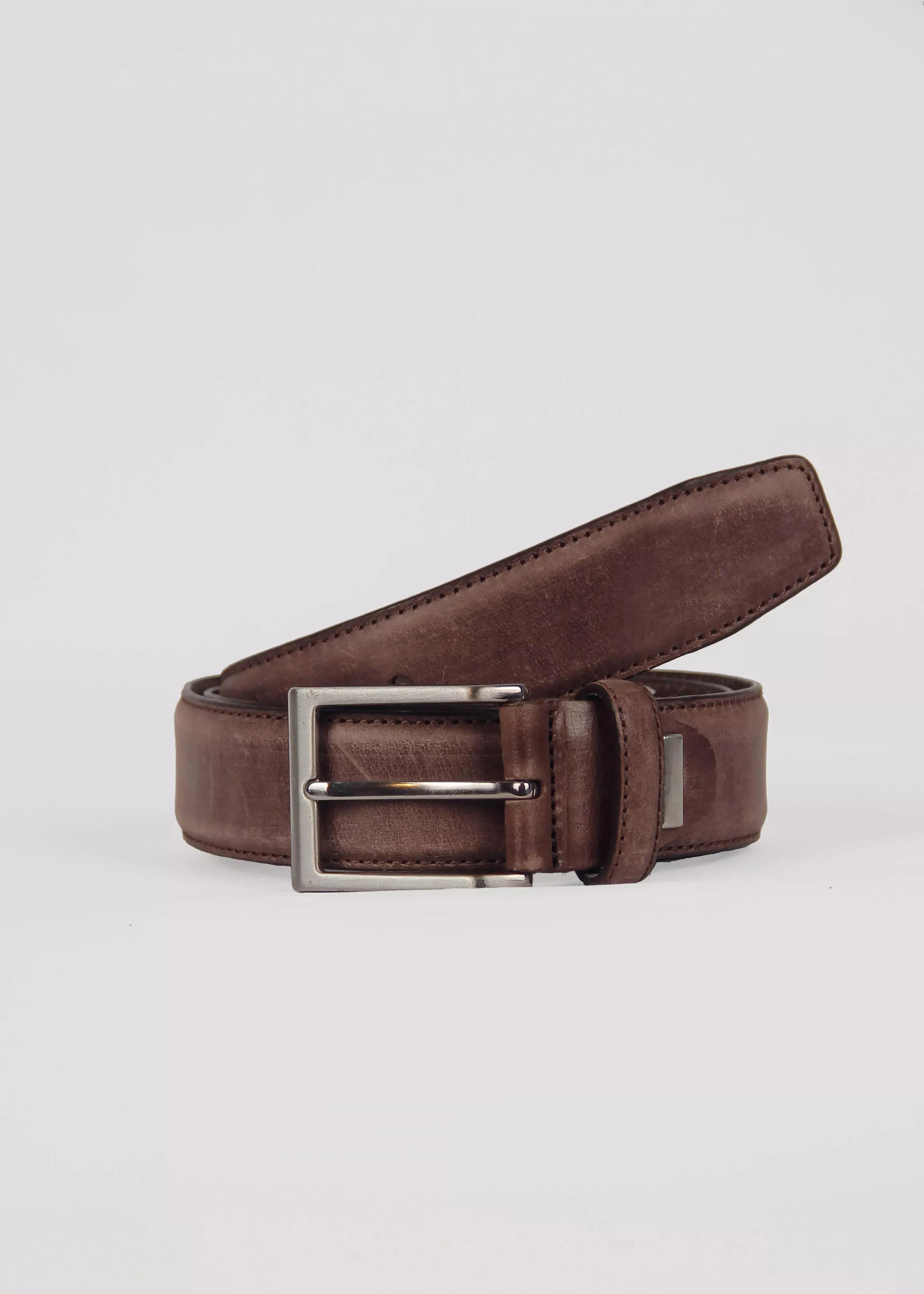
The buckle is both a functional and visual focal point of the belt. OEM production allows brands to move beyond standard buckles and develop custom hardware that increases perceived value and brand recognition.

Buckle options may include:

Standard metal buckles

Standard metal buckles

Custom-designed buckles

Custom-designed buckles

Logo-embossed buckles

Logo-embossed buckles

Special coatings and color finishes

Special coatings and color finishes

Buckle selection is usually aligned with the brand’s price positioning and target market.

LEATHER TYPES USED IN OEM BELT MANUFACTURING

Leather selection is one of the most important factors determining quality and pricing in OEM belt production. The type of leather affects durability, appearance, and customer perception.

Common leather types include:

Full grain leather

Full grain leather

Top grain leather

Top grain leather

Merter belt manufacturers have the capability to produce belts using all of these leather types, offering flexibility across different market segments.

HOW WHOLESALE BELT PRICES ARE CALCULATED IN OEM PROJECTS

Wholesale belt prices in OEM manufacturing are calculated differently from standard models because products are developed exclusively for the brand. Design, sampling, and tooling costs are factored into pricing.

Key pricing factors include:

Leather type and quality

Leather type and quality

Buckle and hardware selection

Buckle and hardware selection

Production continuity

Production continuity

Packaging and labeling requirements

Packaging and labeling requirements

Higher and recurring order volumes significantly reduce unit costs over time.

PRODUCTION CAPACITY AND SUPPLY CONTINUITY

Production capacity is a critical consideration in OEM belt manufacturing. Global brands require assurance that suppliers can handle both initial launches and long-term demand.

Lider Kemer has a monthly production capacity of 150,000 belts.

This capacity enables uninterrupted supply even for large-scale OEM projects.

USING OEM BELTS IN MEN’S AND WOMEN’S COLLECTIONS

OEM manufacturing is suitable for both men’s belt models and women’s belt collections. Men’s collections typically focus on classic and business-oriented belts, while women’s collections emphasize slimmer designs and decorative buckles.

To explore men’s belt models:https://www.liderkemer.com/en/products/mens-belt

To explore women’s belt models:https://www.liderkemer.com/en/products/womens-belt

PACKAGING AND BRANDING IN OEM BELT PRODUCTION

Packaging plays a major role in how belts are perceived in the market. OEM production allows brands to customize packaging elements to align with retail and branding strategies.

Customizable packaging elements include:

Logo-printed boxes

Logo-printed boxes

Branded tags and labels

Branded tags and labels

Country-specific barcode standards

Country-specific barcode standards

These details are especially important for retail chains and international distribution.

OEM BELT EXPORT AND LOGISTICS MANAGEMENT

OEM belt exports from Turkey offer significant advantages for global buyers. Istanbul’s logistics infrastructure supports fast and secure deliveries to Europe and beyond. FOB Istanbul terms provide buyers with control over shipping costs and logistics planning.

LONG-TERM BENEFITS OF OEM PARTNERSHIPS

OEM belt manufacturing is not a one-time transaction but a long-term collaboration. Stable partnerships provide cost advantages, production priority, and smoother collection development.

Trust between the brand and manufacturer accelerates design timelines and shortens time-to-market, supporting sustainable brand growth.

Frequently Asked Questions

What is the minimum order quantity for OEM belt production

Minimum order quantities vary by model, leather type, buckle selection, packaging, and production details. For recurring buyers, optimal volumes are planned together with the manufacturer.

What is the difference between OEM and private label belt manufacturing

OEM production follows the brand’s specifications and technical requirements. Private label focuses on producing belts under the buyer’s brand identity. In many projects, both models are combined.

How are wholesale prices calculated for OEM projects

Pricing depends on leather quality, buckle and hardware selection, sampling/tooling needs, order volume, and production continuity. Unit costs decrease at higher quantities.

What affects production lead time

Lead time depends on product complexity, sample approval speed, order volume, and production planning. The exact timeline is confirmed after technical details are finalized.

Can supply continuity be maintained for large-volume orders

Yes, with high-capacity manufacturers, continuity can be maintained through planned production. Lider Kemer has a monthly production capacity of 150,000 belts.

+90 (546) 495 95 87

Contact us via WhatsApp

Murat BAŞPazarlama Müdürü

Pazarlama Müdürü

Büşra BAŞSatış Departmanı

Satış Departmanı

Let us contact you

Toptan Deri Kemer Fiyat Teklifi Alın

1982 yılından beri İstanbul Merter tesislerimizde ürettiğimiz modellerimiz için hemen fiyat teklifi talep edebilirsiniz.

WhatsApp Destek