
Private Label Belt Manufacturing in Turkey
Private label belt manufacturing in Turkey with OEM production, logo/label options, custom packaging, competitive pricing, and fast shipping to Europe. Lider Kemer supports B2B supply with 150,000 belts/month capacity.
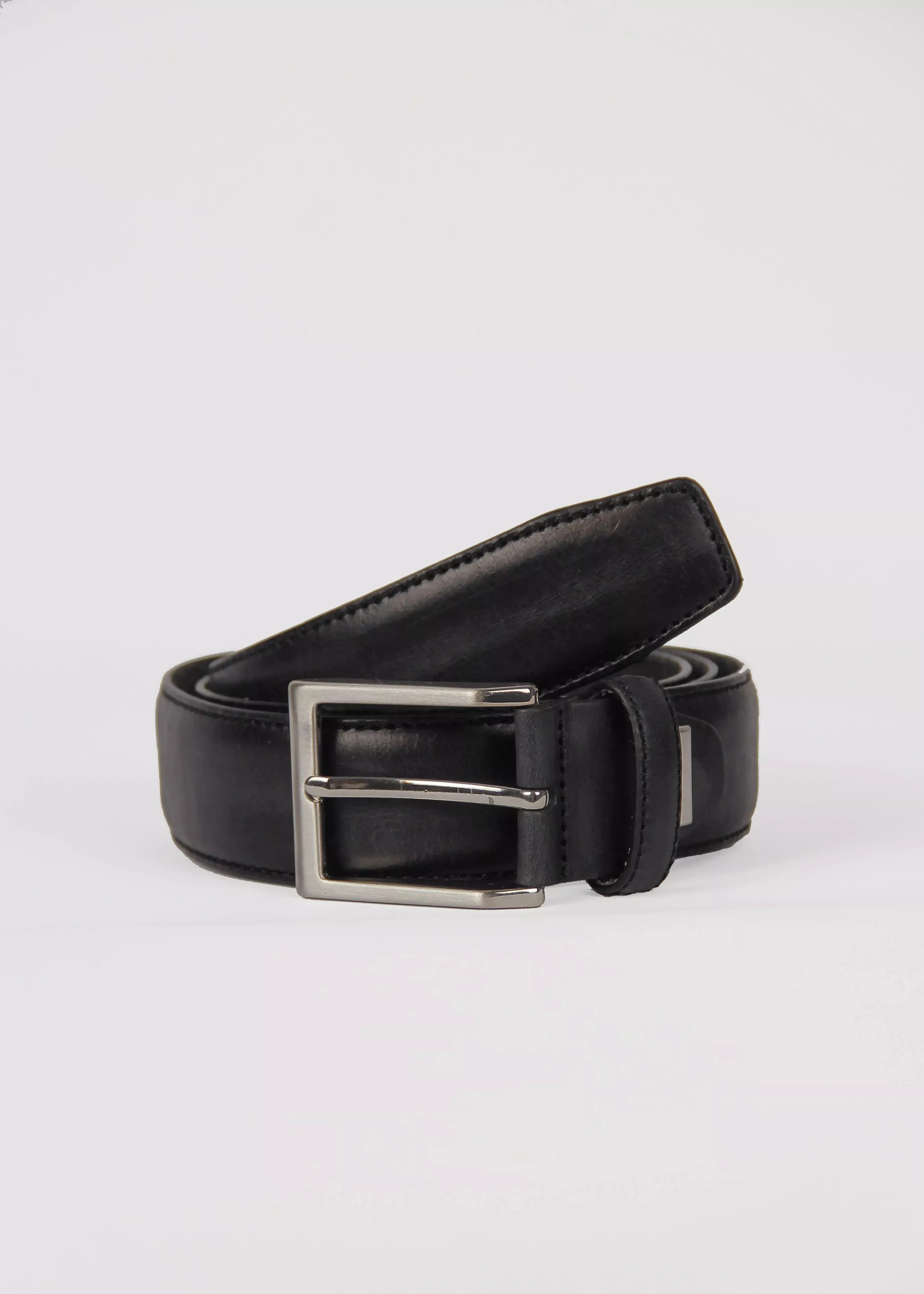
Private Label Belt Manufacturing in Turkey for European Brands
Private Label Belt Manufacturing in Turkey
Private Label Belt Manufacturing in Turkey
If you sell belts in Europe under your own brand, product quality alone is not enough. Your brand perception is just as important, because a belt is one of those accessories where customers immediately feel the difference between average and premium. In leather belts and PU belts, durability, finishing, and consistency directly affect customer satisfaction, reviews, and repeat purchases. That is why private label belt manufacturing is not simply production outsourcing. For European brands, it is a long-term strategy to build trust, scale faster, and control profitability.
Private label production means your belts are manufactured with your brand identity: your logo, your labeling system, your packaging style, and your product standards. Many European brands prefer OEM belt manufacturing instead of buying ready-made generic products because private label gives stronger differentiation, better margin control, and more stable long-term growth.
Turkey has become one of the strongest sourcing hubs for European brands, especially with Istanbul-based manufacturers that combine high production capability with competitive pricing. At Lider Kemer, we manufacture leather and PU belts in Istanbul and support European brands with model selection, material alternatives, buckle options, logo and labeling applications, and packaging solutions. Lider Kemer has a monthly production capacity of 150,000 belts.
Why private label belt manufacturing is an advantage for European brands
Private label is not only a production model. It is a growth system that helps brands stand out and become more recognizable in competitive European markets. European customers expect consistency. If they buy a belt once and love it, they want the same quality and experience again. Private label production makes that consistency possible by defining clear standards and maintaining them across repeat orders.
Higher profit margins and full price control
When you sell belts under your own brand, you control your pricing strategy. You know your production cost clearly and can position your retail price according to your brand level. This usually creates stronger profit margins compared to reselling wholesale products.
Private label improves margins through:
Direct pricing from the manufacturer
Removing unnecessary middleman costs
Increasing perceived value through branding and packaging
Optimizing repeat orders with stable production costs
Balancing premium and mid-range products in one collection
This is why private label is a strong model for European e-commerce brands, retail chains, and wholesalers that want long-term profitability.
Stronger differentiation and a more powerful collection
In the belt market, many products look similar. But with the right buckle choice, stitching, edge finishing, leather texture, and packaging, your belt becomes a branded product with a unique identity. In private label, even the same belt body can look completely different with small design and branding changes.
Differentiation increases sales by improving:
Premium appearance in product photography
Stronger brand identity on retail shelves
Higher conversion rates in e-commerce
Lower competition with “same product” listings
Better customer perception of professional quality
That is why private label belt production is one of the fastest ways to build a stronger collection and a stronger market position.
Safe reorders and sustainable supply
For European brands, the most critical point is repeat order reliability. A first order may look perfect, but if quality drops in the second order, brand trust is damaged. With private label, once standards are defined properly, the same model can be produced again with the same quality level.
Sustainable supply supports:
Easier inventory planning
Faster restocking during peak seasons
Higher customer satisfaction
Lower return rates
Long-term brand growth
That is why choosing the right manufacturer is not only about price, but also about stable production and reorder consistency.
How OEM belt manufacturing works in Turkey
Professional manufacturers working with European brands follow a structured process. This helps define product standards clearly and reduces production mistakes. Private label belt manufacturing usually starts with collection planning and continues until the products are export-ready for shipment.
Model selection and collection planning
The first step is choosing the right models based on your target market. Classic men’s belts, casual belts, automatic buckle belts, and fashion-focused women’s belts all require different collection planning.
In Europe, the most preferred categories usually include:
Classic men’s belts for business and suits
Casual men’s belts for jeans and daily outfits
Automatic buckle belts for convenience
Women’s belts for styling and fashion collections
Minimal buckle belts for modern collections
Explore men’s belt category:
Explore women’s belt category:
The strongest growth method is not choosing too many models, but selecting strong core styles and expanding them with variations.
Material selection: genuine leather or PU belts?
Material choice defines brand positioning. Genuine leather belts create a premium image. PU belts provide more competitive pricing and allow faster collection updates.
In European markets, material selection is often planned like this:
Premium segment: genuine leather belts
Mid-range segment: high-quality PU belts
Fast fashion collections: PU belts with trend colors
Classic steady sellers: black and brown leather belts
Fashion-driven collections: textured surfaces and modern buckles
The right decision depends on your price range, sales channel, and customer expectations.
Buckle, stitching, and sizing standards
One of the most common complaint areas in belts is the buckle. That is why buckle type, metal quality, and assembly strength must be defined clearly. Stitching lines, edge paint quality, belt width, hole spacing, and size options must also be standardized before production.
Key quality details include:
Durable buckle plating
Strong buckle assembly
Straight and symmetrical stitching
Smooth and stable edge finishing
Equal hole spacing
Standard belt width for repeat orders
These standards reduce returns and increase customer satisfaction in European markets.
Logo, labeling, and packaging: the real private label difference
In private label belt manufacturing, the strongest brand impact comes from logo, labeling, and packaging. European buyers pay close attention to these details because they show whether a product is truly professional and retail-ready.
Logo applications
Logo branding can be applied through hot stamping inside the belt, embossing or debossing, or even custom buckle branding. The logo style should match your brand positioning.
Common logo options include:
Hot stamp logo on the inside
Minimal emboss logo on the outer surface
Custom logo buckle design
Small logo detail on the belt tip
Branded tags for a complete look
Minimal logo applications often create a more premium perception in Europe.
Label and barcode system
Product tags, barcode areas, model codes, size information, and material details improve warehouse and retail operations. In Europe, clear labeling speeds up warehouse receiving and reduces confusion.
A strong label system supports:
Faster warehouse intake
Less product mix-up
Easier retail operations
Cleaner e-commerce stock management
More organized return handling
Custom packaging options
Boxes, kraft packaging, branded pouches, hangtags, and protective inner packaging increase premium value. Packaging also protects the belt shape and prevents buckle scratches during shipping, which is critical for wholesale export orders.
Packaging creates advantages such as:
More professional product appearance
Stronger gift-like perception
Better protection in warehouse handling
Lower shipping damage risk
Higher brand value in retail channels
Why production capacity and lead times matter for European brands
European brands need stable supply. If a manufacturer has low capacity or unclear delivery times, growth slows down and inventory planning becomes difficult. That is why capacity is a key trust factor in private label production.
Lider Kemer has a monthly production capacity of 150,000 belts.
This capacity supports both large-volume orders and repeat supply cycles.
Clear lead time planning
The biggest B2B problem is unclear delivery timing. When model, color, and quantity breakdowns are confirmed, production becomes more stable. European buyers value clear lead times because they plan campaigns and restocking cycles around them.
Maintaining quality in large orders
Large wholesale orders require consistent quality control. Stitching standards, edge finishing, and buckle assembly must stay stable across mass production. This is what separates professional manufacturers from short-term suppliers.
Private label advantage for buyers searching wholesale belts in Merter
Many buyers searching for wholesale belts in Merter focus on speed and pricing. But for European brands, price alone is not enough. The product must match brand standards and stay consistent in repeat orders. Private label production is the system that makes this possible.
That is why B2B buyers looking for a belt manufacturer or belt factory in Istanbul often prefer private label supply for long-term growth.
The best product strategy for European brands: fewer models, stronger variations
One of the smartest ways to scale private label belt collections is focusing on a few strong core models and expanding them with variations. The same belt model can be offered in different colors, buckles, stitching styles, and finishes.
This strategy improves:
Inventory management
Repeatable production flow
Faster reorder planning
A more professional collection look
Easier product storytelling in sales channels
This approach works especially well in markets like Germany, the Netherlands, and Austria where consistent supply is essential.
Why choose Lider Kemer for private label belt manufacturing?
At Lider Kemer, our goal is to provide sustainable OEM belt production for European brands. With strong workmanship, stable product standards, export-ready packaging, and professional B2B workflow, we make private label supply easier and more reliable.
Lider Kemer has a monthly production capacity of 150,000 belts.
Explore men’s belt category:
Explore women’s belt category:
FAQ
What is private label belt manufacturing?
Private label means belts are produced under your brand name with your logo, labeling, and packaging standards, so you can sell them as your own brand products.
Is Turkey a good sourcing country for OEM belt manufacturing?
Yes. Turkey has strong manufacturing capability and fast logistics access to Europe, making it a reliable sourcing hub for European brands.
What customization options are available in private label belt production?
Logo branding, buckle selection, color and material options, labeling and barcode systems, and custom packaging can all be customized.
Do you have a minimum order quantity (MOQ)?
MOQ depends on the order structure. Once models and variations are confirmed, the most efficient MOQ plan can be set.
What is your production capacity?
Lider Kemer has a monthly production capacity of 150,000 belts.
Get a Wholesale Leather Belt Quote
Request an immediate price quote for our belt models manufactured in our Istanbul Merter factory since 1982.